RSS

Super Simple Effortless Cleaning Routine: Keep Your Home or Listing Show-Ready Year-Round for Successful Showings

Let’s face it: keeping your home clean can sometimes feel like an endless task, especially if you’re juggling work, family or any number of responsibilities. And if you’re preparing your home to sell—or simply want it to feel fresh and inviting on a regular basis—a cleaning routine that feels achievable and doesn’t take up too much time is essential. The good news is, keeping your home neat and ready for guests or potential buyers doesn’t have to be complicated.

In this blog post, we’ll walk through a super simple cleaning routine that you can stick with all year long, whether you’re selling your home, preparing for a busy week, or just want to keep things fresh. A tidy home isn’t just about appearances; it can boost your mood, create a sense of calm, and make life a little easier. There is nothing better than coming home after a long day to a clean and tidy house!  Let’s explore how to keep your home in great shape with minimal effort and maximum impact.

1. Daily Touch-Ups: The 10-Minute Rule

One of the easiest ways to maintain a tidy home is to make small cleaning habits a part of your daily routine. No need to spend hours scrubbing every surface; instead, dedicate just 10 to 15 minutes each day to touch up high-traffic areas and keep things in order. The key to this is consistency.

Here’s how you can break it down:

  • Pick up clutter: Every evening, take a quick walk around your home and clear any clutter that’s accumulated during the day. Put away shoes, mail, bags, and anything else that’s out of place. You’d be surprised at how much tidier your home feels when these items are stored away.

  • Wipe down surfaces: Spend a minute wiping down kitchen counters, bathroom surfaces, and other areas that tend to gather dust or spills. Keep a multi-surface cleaner in a convenient spot so you can quickly run a cloth over areas that need a refresh. Or better yet if you wish to make your home chemical free, maybe invest in some Norwex products or similar no chemical ways of cleaning. 

  • Make the bed: Making your bed every morning might feel like a small task, but it instantly makes the whole bedroom look neater. It’s a small habit that sets the tone for a tidy day.

  • Do a quick sweep: If you have hardwood floors or tile, give the main living areas a quick sweep with a broom or a handheld vacuum. A quick once-over takes just a couple of minutes but can make a big difference in how clean your home feels. If you feel you don’t have time for this, invest in a robotic vacuum.  With a push of a button you can start the vacuum and walk away. 

By committing to this 10-minute cleaning routine daily, your home will never feel overwhelmed with clutter or grime. And, if you’re thinking of selling, a home that’s always “show-ready” will be one less thing to worry about when potential buyers come through.

2. Weekly Cleaning: The Power of a Weekly Reset

Once a week, set aside a bit more time to tackle a deeper clean. This doesn’t mean scrubbing every inch of your home, but it does mean focusing on areas that get neglected during your daily touch-ups. By sticking to a weekly cleaning routine, you’ll ensure that things stay fresh without feeling like you need to do a major overhaul every few weeks.

Here’s what a simple weekly cleaning routine might look like:

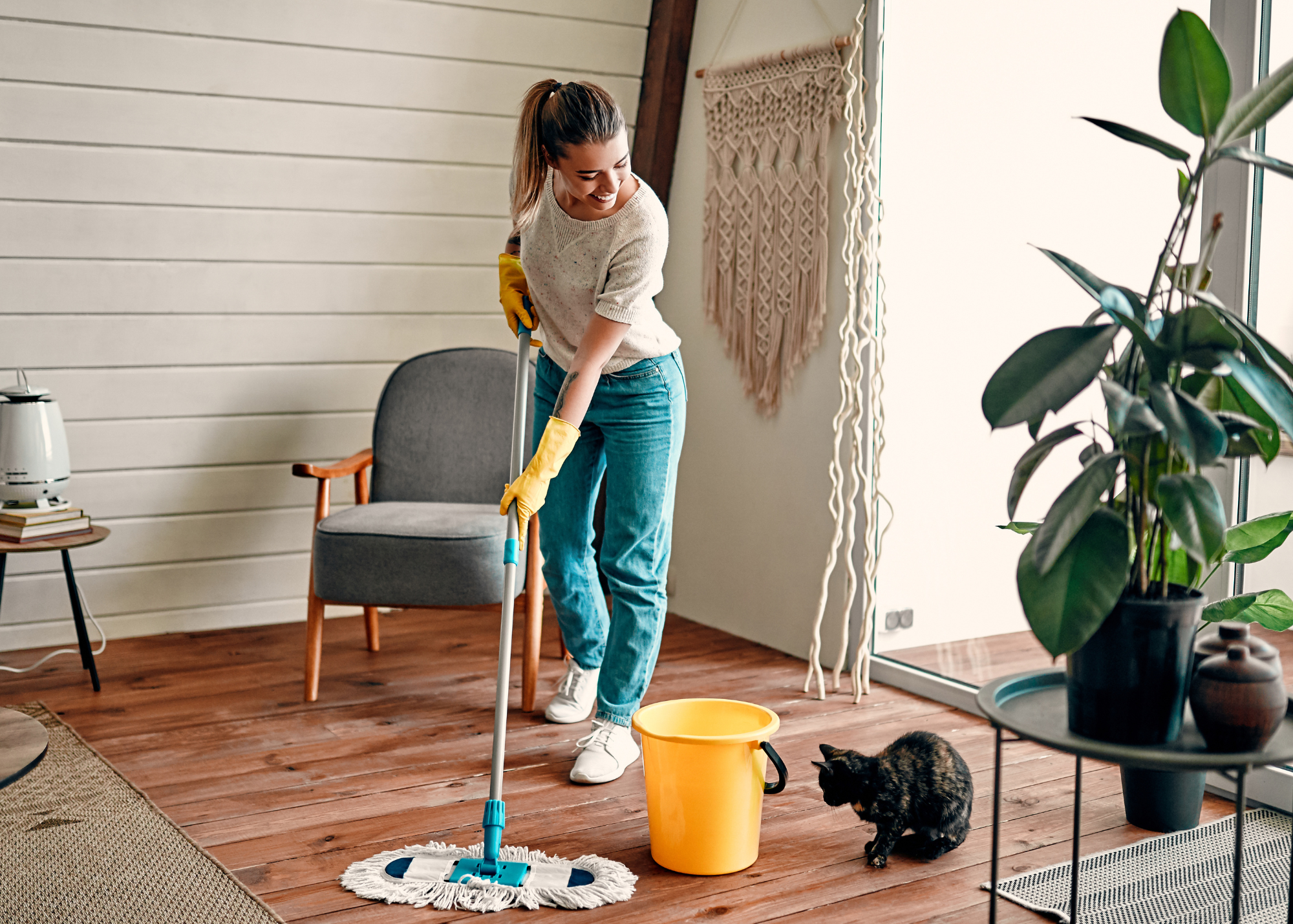
  • Vacuum or mop the floors: While your daily sweep may help, a more thorough vacuuming or mopping session once a week will help keep floors free from dust and dirt buildup. Be sure to hit areas like entryways, hallways, and under furniture.

  • Clean the bathrooms: Scrub the sink, toilet, and shower or tub. Wipe down mirrors and any other surfaces in the bathroom. Don’t forget to replace hand towels and restock essentials like soap and toilet paper. It’s the kind of task that can take as little as 10 minutes but makes a big difference.

  • Change the bed linens: Fresh sheets can instantly improve the feel of a room. Whether it’s your bed or guest beds, changing the linens weekly keeps your home smelling fresh and comfortable.

  • Dust key surfaces: Dust can accumulate quickly, especially on furniture and electronics. Focus on surfaces you use often, like coffee tables, side tables, shelves, and TV stands. Don’t forget to dust light fixtures, baseboards, and ceiling fans, as well.

It’s easy to get caught up in the busyness of life, but taking 30 minutes to an hour once a week for a “reset” can help maintain that fresh, clean feel throughout your home. A tidy home also ensures that when visitors pop by—or when potential buyers stop in—you won’t be scrambling to pull everything together.

3. Monthly Focus: Tackle a Specific Area

Every month, consider adding a more thorough cleaning focus on one or two areas that tend to need a bit more attention. This could be a seasonal task or just something you don’t want to forget about during your regular routine. Monthly cleaning might seem like extra work, but tackling a specific area will prevent these tasks from building up over time.

Some examples include:

  • Deep clean the kitchen: Wipe down the refrigerator, clean the oven, and sanitize the sink. Don’t forget the little things—clean out the spice rack, organize the pantry, and give the dishwasher a wipe.

  • Windows and mirrors: Smudges and fingerprints can sneak up on us, especially on windows. Clean your windows and mirrors to let in more natural light and brighten up your space.

  • Declutter your closets: Over time, closets can become catch-all spaces for items we don’t want to deal with. Take some time to declutter your clothes, shoes, and other items. Not only will this help you stay organized, but it can also make packing and moving easier down the road if you’re considering selling your home.

  • Refresh your upholstery: Upholstered furniture can collect dust, hair, and spills. Use a vacuum with an upholstery attachment to clean your sofas, chairs, and other fabric surfaces. If you have pets or kids, this might be a monthly task to keep things feeling fresh.

By focusing on one specific task each month, you avoid letting certain areas of your home accumulate dirt, dust, or clutter. Plus, it’s a manageable way to tackle the tasks that often fall through the cracks without feeling overwhelmed.

4. Seasonal Tasks: Prepare for the Changing Seasons

Every season brings its own unique cleaning needs. Whether it’s switching out your wardrobe or preparing your home for different weather conditions, staying on top of these tasks will keep your home looking fresh and prevent long-term damage from neglect.

Here are a few seasonal cleaning tasks to consider:

  • Spring cleaning: This isn’t just about opening the windows and letting in fresh air. Spring cleaning is a time to do a deeper clean of your entire home. Focus on areas like closets, carpets, walls, and windows. It’s a great time to declutter, donate unused items, and freshen up every room.

  • Fall preparations: As the weather gets colder, make sure your home is ready for the change. Clean out the gutters, check the furnace, and clean or replace air filters( although furnace filters should be changed every 3 months). It’s also a good time to tidy up your outdoor spaces—rake leaves, wash outdoor furniture, and ensure everything is stored properly for the colder months.

  • Holiday prep: Before the busy holiday season, do a quick deep clean of high-traffic areas like your entryway, living room, and kitchen. A little preparation goes a long way to make your home feel cozy and welcoming for guests.

By incorporating these seasonal tasks, you’ll keep your home in great condition and prepared for whatever the year brings.

5. Keep It Simple and Stay Consistent

The beauty of this cleaning routine is its simplicity. You don’t need to spend hours each week scrubbing every surface. Instead, by committing to small, consistent tasks, you’ll keep your home looking tidy, fresh, and inviting all year long. The key is consistency—not perfection.

If you’re preparing your home to sell, these simple habits will keep your home show-ready without a lot of last-minute stress. Potential buyers will appreciate a clean, well-maintained home, and you won’t have to worry about scrambling to get everything in order when it’s time for a showing.

Remember, a tidy home doesn’t just look good—it can also boost your mood, help you feel more organized, and reduce stress. With this straightforward routine, you can make your home a peaceful, welcoming space, whether you’re preparing for sale or simply trying to maintain a clutter-free environment.

So, pick one task at a time, stick with it, and enjoy the sense of satisfaction that comes with a clean, well-maintained home. Happy cleaning!

Read

Top 10 Ways to Feel Festive This Christmas Season

The holiday season is often described as a time of joy and celebration, yet for many, this time of year can also be filled with stress, sadness, or feelings of loneliness. Whether it’s due to personal challenges, the passing of loved ones, or just the cold, gray winter days, Christmas can sometimes bring emotions that feel hard to shake. But even if you’re not feeling your most festive right now, there are ways to inject a little bit of holiday spirit into your life.

This Christmas season, instead of focusing on “shoulds” or expectations, why not embrace the simple pleasures and focus on what makes you feel good? From cozy activities at home to small acts of kindness, here are 10 ways to embrace the festive season while also caring for your well-being.

1. Create a Cozy, Inviting Home

One of the easiest ways to lift your spirits is by making your home feel warm and welcoming. You don’t need to go all-out with elaborate decorations—just a few simple touches can make a world of difference.

  • Add some soft blankets and pillows to your couch for cozy lounging.

  • Twinkling fairy lights can transform your space and create an instant festive vibe without feeling too much.

  • A scented candle with a holiday fragrance like cinnamon, pine, or vanilla can evoke warmth and nostalgia.

  • A fireplace makes a room warm and cozy.  If you don’t already have a fireplace consider getting a electric fireplace.  Even a small one will create a feeling of warmth and relaxation.  

A cozy home gives you a space to retreat to and recharge, which can be especially important during the busy holiday season.

2. Listen to Holiday Music (On Your Own Terms)

Music has a magical way of evoking emotion and setting the tone for the season. While holiday music is often linked with large celebrations, it can also be a subtle and soothing way to bring the festivities into your life. Whether you love classic carols or more modern tunes, music can help you feel more connected to the season.

  • Create a playlist of your favorite holiday songs—whether they’re cheerful or calming.

  • If traditional Christmas songs don’t appeal to you, try instrumental music, or even jazz renditions of holiday classics for a different vibe.

  • Use the music to enhance other activities, like baking, wrapping gifts, or even just unwinding at the end of a busy day.

The right tunes can help shift your mood and bring a little extra magic to your day.

3. Bake Something Delicious (Even If It’s Just for You)

Baking doesn’t have to be a big production. Even if you’re not hosting a holiday party, baking something simple like cookies or a loaf of spiced bread can help you get into the Christmas spirit. The act of baking can be meditative and relaxing, and the scents of warm spices like cinnamon and nutmeg fill the air with holiday cheer.

  • Sugar cookies are a simple option that you can decorate however you like.

  • A gingerbread cake or spiced muffins are comforting options that are perfect for cozy mornings.

  • If baking feels like too much, even store-bought cookie dough can be fun to pop in the oven.

The act of enjoying a warm treat can be a small but enjoyable way to feel festive, especially when paired with a cup of hot cocoa or tea.

4. Take a Winter Walk to Appreciate the Season

While winter weather can sometimes feel bleak, getting outside can actually be one of the most uplifting things you can do for yourself. There’s something about crisp air and quiet, snowy paths that makes you feel connected to the season. Bundle up in your favorite coat, scarf, and mittens, and go for slow stroll in your favourite area.  

  • If your neighbourhood is your favourite area look for houses that have simple lights up or creative decorations.

  • If wooded areas are your favourite observe the winter landscape—maybe there’s a tree that looks particularly beautiful dusted with snow or a deer quietly standing watching YOU! 

  • Enjoy the stillness, and use the time to clear your head.

Even if it’s a short walk, being outside in nature can give you a fresh perspective and help you feel more grounded.

5. Reach Out to Others with Kindness

While the holiday season can feel lonely for some, connecting with others—even in small ways—can make a big difference. Acts of kindness don’t have to be grand gestures. A simple text, phone call, or card to someone who might be going through a tough time can create a sense of connection.

  • Write a holiday card for someone you haven’t talked to in a while.

  • Take time to check in with friends or family, even if it’s just a quick message.

  • If you have the time, consider volunteering at a local shelter or donating items to those in need.

Knowing you’ve made someone else’s day brighter can create a ripple effect of positivity that also boosts your mood.

6. Watch Classic Holiday Movies (or Your Favorite Shows)

Sometimes, there’s nothing more comforting than sinking into the couch with a bowl of popcorn and watching a beloved holiday movie. Whether you enjoy timeless classics like It's a Wonderful Life or modern favorites like Home Alone, the right movie can bring that sense of magic and nostalgia.

  • Create a cozy movie night by dimming the lights, lighting some candles, and snuggling under a blanket.

  • You don’t have to stick to just holiday movies! Watching a feel-good movie that brings you joy, even if it’s not holiday-related, can be just as festive.

Watching something familiar and comforting can help reduce anxiety and make you feel connected to the season, no matter how you celebrate.

7. Start a Holiday Journal or Gratitude Practice

Taking a few moments each day to reflect can help shift your mindset during the holidays. Starting a journal where you write down what you’re grateful for or record small joys can help you stay focused on the positive aspects of the season.

  • Each morning or evening, write down one or two things that made you smile that day—whether it was a hot cup of tea, a fun conversation, or a simple moment of peace.

  • You can also list one thing you’re looking forward to in the coming week, whether it’s a quiet evening at home or a festive activity.

Focusing on gratitude and small moments of happiness can improve your mood and bring a greater sense of holiday joy.

8. Declutter and Simplify Your Space

Sometimes, the holiday season can feel overwhelming, especially when we’re surrounded by clutter. Taking a bit of time to tidy up and simplify your home can create a sense of calm and allow you to focus more on enjoying the season rather than stressing about it.

  • Spend an afternoon tidying up a small area of your home, like your entryway or living room.

  • Sort through your holiday décor and donate anything that no longer serves you or brings you joy.

  • Focus on creating a clean and calm environment so you can relax and enjoy the festivities when they come.

A tidy space can help clear your mind, allowing you to experience more joy and peace during the holiday season.

9. Pamper Yourself with a Holiday-Themed Self-Care Routine

During the hustle and bustle of the season, it’s easy to forget to take care of yourself. But taking time to unwind can help you feel more relaxed and in tune with the season’s festivities.

  • Create a holiday spa night with a warm bath, candles, and a soothing playlist.

  • Treat yourself to a DIY face mask, a hand massage, or a cozy facial.

  • Enjoy a cup of your favorite tea or hot cocoa while you relax and recharge.

Self-care is a crucial part of maintaining a positive mindset, especially during a season that can sometimes feel overwhelming.

10. Give Yourself Permission to Rest

Finally, perhaps the most important thing you can do during the holiday season is to give yourself permission to rest. The holidays often come with an abundance of social events, parties, and obligations, but it’s okay to say no and prioritize self-care.

  • Take a break from shopping, decorating, or socializing if it starts to feel like too much.

  • Spend an afternoon reading a book, watching your favorite show, or taking a nap.

  • Allow yourself the freedom to simply be, without feeling pressure to do it all.

Resting not only helps you recharge but also allows you to enjoy the season more fully when you’re feeling your best.

Conclusion

The holiday season doesn’t have to be a time of stress or sadness. By embracing simple pleasures, creating a cozy environment, and focusing on small acts of kindness, you can bring a sense of joy and festivity to your life—on your own terms. It’s important to remember that the holidays don’t have to look a certain way. Instead, focus on what brings you comfort and joy, and let that guide you through the season. Merry Christmas!

Read

Simple Steps to Winterizing Your Home: A Guide for the Sudden Cold Snap

The sudden arrival of cold weather can catch us off guard, especially after weeks of unseasonably warm temperatures. If you’ve put off winterizing your home so far, don’t worry – there’s still time to make sure your space is ready for the chill. With a few simple steps, you can ensure your home stays cozy, safe, and energy-efficient throughout the winter months.

Here’s a practical, step-by-step guide to winterizing your home, focusing on areas that might have slipped under the radar with the warm weather we’ve been experiencing.

1. Check and Maintain Your Heating System

As temperatures drop unexpectedly, the last thing you want is to find out your furnace or heating system isn’t working as efficiently as it should just when you need it most. Here are a few key things to check:

  • Change the air filter: If you haven’t done this yet, now’s the time! A clogged filter can reduce airflow, making your system work harder and leading to higher energy bills. Replacing the filter is a quick task that makes a big difference.

  • Schedule a maintenance check: If it’s been a while since your heating system was serviced, call a professional to give it a once-over. A technician can clean the system, check for any issues, and ensure it’s running efficiently, especially since you’re relying on for the cold months ahead.

2. Seal Gaps and Insulate Windows and Doors

Even though the warm weather made it feel like winter was a long way off, cold air can and has sneaked in unexpectedly, making your home less comfortable and driving up heating costs. 

Here’s how to keep the warm air inside:

  • Check for drafts: You might have overlooked small drafts, especially if you’ve been using air conditioning recently or the weather has been mild. Use a candle or incense stick near windows, doors, and walls to spot any drafts. If the smoke moves, you’ve found a gap.

  • Seal gaps around windows and doors: Use weatherstripping, caulk, or expandable foam to seal any cracks or openings. It’s a simple fix that will keep your home warmer and more energy-efficient.

  • Consider window insulation: If you have older windows that aren’t sealing well, you might want to try plastic window film kits. These are a budget-friendly way to reduce heat loss and increase comfort and easy to install.

3. Prepare Your Plumbing for Freezing Temps

With the drop in temperature, frozen pipes can become a real concern. It’s easy to overlook plumbing during warm weather, but now is the time to protect it.

  • Inspect exposed pipes: Look around your basement, attic, and under sinks for any exposed pipes that could be vulnerable to freezing. Wrapping them with pipe insulation or foam can help keep them warm.

  • Keep the heat on: If you’re heading out of town, or just want to play it safe, make sure to set your thermostat to at least 55°F to prevent your pipes from freezing.

  • Let faucets drip: If you’re expecting a sudden cold snap, open faucets just slightly to keep the water moving. It’s a small but effective way to avoid frozen pipes.

  • Shut off exterior water: Disconnect any garden hoses and turn off the water supply to outdoor faucets. Standing water in hoses and pipes can freeze and cause costly damage.

4. Insulate the Attic and Seal the Roof

You may have missed insulating your attic if the warmer weather has made you forget about the winter months. The attic and roof are key to keeping your home warm and preventing damage during the colder months.

  • Add insulation: If you can see the top of your ceiling joists in the attic, it’s time to add more insulation. Proper attic insulation keeps heat in and prevents your furnace from working overtime.

  • Inspect the roof: If you haven’t checked your roof yet, now is the time. Look for missing shingles or signs of wear, especially around chimneys and vents. Any damage could lead to leaks or ice dams as temperatures fluctuate.

  • Clear gutters: Blocked gutters can lead to water backing up, which can freeze and cause ice dams that damage your roof. Take a few minutes to clean your gutters and ensure the water can flow freely.

5. Protect Your Yard and Outdoor Equipment

Your outdoor spaces also need attention, especially with the sudden cold front. Here’s how to protect your garden and equipment:

  • Mow the lawn one last time: Before the ground freezes, give your lawn a final mow and clear out any leaves or debris. This will help your yard stay tidy and healthy during the winter.

  • Store outdoor furniture: If you haven’t already, clean and store away any outdoor furniture, grills, or tools that could be damaged by snow, ice, or freezing temperatures. If you don’t have space, cover items with tarps to protect them.

  • Winterize the sprinkler system: If you’ve been using your irrigation system into the warmer months, make sure to drain any remaining water from the system to prevent pipes from freezing.

6. Test Your Smoke and Carbon Monoxide Detectors

As we use more heating systems, space heaters, and even fireplaces, the risk of fire and carbon monoxide poisoning increases. Make sure your detectors are ready to protect you.

  • Test detectors: Press the test button on your smoke and carbon monoxide detectors to make sure they are working properly. If they’re low on batteries, replace them immediately.

  • Check your fire extinguisher: Make sure your fire extinguisher is easily accessible, properly maintained, and fully charged. It's a simple step that could save your home in case of an emergency.

7. Stock Up on Winter Supplies

Having the right supplies on hand will help you weather any unexpected winter storms or power outages. While you’ve had warm weather so far, it’s time to be prepared for when the weather takes a turn.

  • Salt and sand: Make sure you have enough salt or sand for your driveway and walkways. It’s always better to have too much than too little when it comes to avoiding ice.  If you have pets make sure the product is pet friendly so as not to harm your pet.

  • Emergency kit: In case of power outages, it’s smart to have an emergency kit with essentials like bottled water, non-perishable food, batteries, a flashlight, and any medications you might need.

Conclusion

Though this year’s warm weather has made it easy to forget about winter, it’s time to start thinking about cold months ahead.  We still have several months of winter ahead.  It’s not too late to winterize your home! By taking just a few steps, you can avoid common wintertime problems, protect your home, and save money on energy bills. These small tasks can make a big difference when the temperature drops and ensure you stay cozy and safe all season long.

Remember, winterizing doesn’t have to be overwhelming. With these manageable steps, you’ll be well on your way to a home that’s prepared for whatever winter brings. Happy winterizing!


Read

Simple and Stylish Ideas for Decorating Your Home for the Holidays on a Budget

The holiday season is upon us, and whether you’re hosting family gatherings, curling up with a book by the fire, or simply sitting wrapped in a cozy blanket watching the snow gently fall outside  decorating your home can make all the difference. The right holiday décor can transform your space into a warm, inviting haven that radiates festive cheer. And while you don’t need to break the bank to achieve this, a few thoughtfully chosen accents can create a stylish and cozy atmosphere.

Here are some simple and budget-friendly ideas for decorating your home for the holidays. These suggestions are all about creating warmth and charm—no expensive, store-bought décor necessary.

1. Embrace Cozy Winter Accents

When it comes to holiday decorating, comfort is key. The holiday season is all about spending time in a space that feels like a cozy retreat. So, why not start by bringing the warmth of winter indoors?

  • Throw Blankets & Pillows: One of the simplest ways to add seasonal warmth to your home is by switching up your throw blankets and pillows. Opt for soft, plush fabrics like faux fur, knit, or velvet in rich colors such as deep red, forest green, or even neutral tones like ivory and gray. A cozy throw on the sofa or at the foot of your bed instantly creates a welcoming, seasonal vibe.

  • Candles and Candleholders: Nothing sets the mood quite like candlelight. Choose candles in warm, inviting scents like cinnamon, vanilla, or pine, and scatter them throughout your home. You can even make your own candle holders using mason jars, old teacups, or even wine glasses. Adding a few strategically placed candles can make your home feel instantly warmer and more festive.

  • Fairy Lights: String lights aren’t just for the Christmas tree! Consider draping them over mantels, along stair railings, or even across your windows to create a magical glow throughout your home. You can also place them in decorative glass jars for a simple DIY project that adds charm without spending much.

2. DIY Wreaths and Garlands

Wreaths and garlands are quintessential holiday decorations, but they don’t have to be expensive. Creating your own allows for personalized touches and helps save money. Plus, it’s a fun and creative way to embrace the holiday spirit.

  • DIY Wreaths: You can create a simple wreath using a foam ring and some greenery, such as pine branches or eucalyptus. Add natural elements like pinecones, cinnamon sticks, or even dried orange slices for a rustic touch. If you prefer a more minimalist look, use a wire frame to hang a simple, elegant wreath made of twigs, twine, or faux greenery. Supplies can be easily purchased at discount stores or if you prefer real greenery take a walk in a forest and collect your own. 

  • Garlands: Garlands are an easy way to dress up your mantel, staircase, or table. You can make a simple one using greenery from your yard, and add personal touches like red ribbons, paper stars, or even popcorn and cranberry strings. This DIY garland is especially charming and cost-effective, giving your space a festive yet relaxed look.

3. Transform Your Entryway

The entryway is the first thing people see when they walk into your home, so why not make it feel extra welcoming for the holidays?

  • Seasonal Door Mat: A cute or festive doormat instantly sets the tone for the season. There are plenty of affordable options available in stores, or you can make your own. A simple “Welcome” mat with a holiday twist, like a snowflake design or a holiday greeting, can make a big impact for minimal effort.

  • DIY Door Décor: Hang a wreath on your door or create a simple display using natural elements like twigs, pinecones, and greenery. If you’re feeling crafty, a homemade garland can add a personal touch. Consider hanging bells or ornaments from the door frame or adding a festive bow to the doorknob for a welcoming touch.

  • Festive Entrance Table: If you have a table or console in your entryway, this is a great spot to add a few holiday touches. Place a vase of fresh greenery, a bowl of seasonal fruit, or a cluster of candles. A few holiday-themed items, like a mini Christmas tree or a decorative bowl filled with pinecones, can make a welcoming statement.

4. Create a Festive Focal Point with a Tree (or Faux Tree)

A Christmas tree is the heart of holiday decorating for many. But not everyone has the space or desire for a big, traditional tree. Whether you go with a full-sized evergreen, a small tabletop tree, or even a minimalist faux tree, there are plenty of ways to make a tree work in your home.

  • Small Trees and Faux Trees: For those with limited space or budget, smaller trees can have just as much impact. Consider a mini tree on a side table, in the entryway, or on a shelf. Even a faux tree can look just as stunning as a real one—simply decorate it with simple string lights, a few homemade ornaments, and a star or bow on top.

  • DIY Ornaments: Rather than purchasing a full set of ornaments, create your own with items you may already have at home. You can make simple ornaments from cinnamon sticks, dried fruit slices, or even salt dough. Personalize them by adding initials or painting simple designs on them. Homemade ornaments add a personal, heartwarming touch to any tree and are a fun project to do with children.  You will create memories at the same time!

5. Add Warmth with Seasonal Textures

Texture plays an important role in creating a cozy holiday environment. By using different textures, you can elevate your décor without spending much.

  • Plaid and Wool: Bring the warmth of plaid and wool into your home with tablecloths, blankets, and throws. A plaid runner or napkins on the dining table can create a festive, welcoming atmosphere. Likewise, wool or knitted items like scarves draped over chairs or baskets can add a rustic charm to any space.

  • Knitted or Felted Décor: If you’re feeling crafty, consider making simple knitted or felted decorations like stockings, garlands, or ornaments. These handmade items add character to your space and bring the charm of winter indoors.

  • Burlap and Twine: For a more rustic touch, use burlap or twine to decorate your home. You can wrap it around vases, use it for gift wrapping, or even create small bows to hang on the tree or around your windows.

6. Holiday-Themed Dining and Table Settings

Set the mood for a cozy holiday meal with simple table settings. It doesn’t take much to create an inviting, festive table.

  • Simple Centerpieces: Gather pinecones, candles, and greenery from your yard to create a natural, low-cost centerpiece. You can arrange these elements in a simple wooden box, a glass jar, or even a shallow bowl.

  • DIY Place Settings: Create personalized place settings by tying a sprig of greenery or a cinnamon stick with twine on each plate. You can also make your own napkin rings using natural materials or even pieces of cloth to create a rustic, handmade feel.

  • Seasonal Dishes and Serveware: If you’re entertaining, use simple white plates and add festive touches with seasonal dishware like mugs with holiday patterns, or bowls filled with candy canes or nuts. If you have leftover greenery or pinecones, use them to decorate your table—these small, natural elements bring the outdoors inside, contributing to a warm, festive atmosphere.

7. Repurpose and Recycle Your Decorations

Finally, one of the most cost-effective ways to decorate for the holidays is by repurposing items you already have at home.

  • Repurpose Everyday Items: Look at items you use all year long—vases, baskets, jars, and trays—and consider how they can be decorated for the holidays. For instance, fill a basket with pinecones or Christmas ornaments, or place a few candles in a mason jar to create instant holiday charm.

  • Recycled Materials: Use old greeting cards, ribbons, or even paper bags to create simple DIY holiday decorations. Fold paper into stars, use ribbons to hang ornaments, or turn holiday cards into a garland.

Conclusion

Decorating for the holidays doesn’t have to be expensive or overwhelming. By using simple, low-cost ideas and getting creative with what you already have, you can easily create a warm, inviting atmosphere that feels just right for the season. Whether you embrace the coziness of winter with soft textures and candles, or add your own DIY touch to wreaths and garlands, there’s no shortage of ways to infuse your home with holiday charm.  Remember that sometimes less is more.  

So, gather your favorite holiday accents, embrace your creativity, and enjoy the process of turning your space into a cozy haven for the holidays. Happy decorating!


Read

Embracing “Use Less Stuff Day”: A Path to Minimalism and Mindfulness

In a world where consumerism often reigns supreme, the concept of “Use Less Stuff Day” serves as a gentle reminder to rethink our relationship with material possessions. Observed annually on November 18th, this day encourages individuals and families to pause, reflect, and actively reduce their consumption. For those of us navigating busy lives, embracing this philosophy can lead not only to a more mindful existence but also to enhanced living spaces—especially if you're considering selling your home. Let’s explore the meaning of Use Less Stuff Day and discover practical ideas to incorporate this mindset into our lives.

Understanding “Use Less Stuff Day”

At its core, Use Less Stuff Day is about recognizing the impact of our consumption habits. It’s a call to action to reduce waste, rethink our purchasing decisions, and appreciate the things we already have. By simplifying our lives and minimizing clutter, we can cultivate a more intentional lifestyle that prioritizes experiences over possessions.

The idea isn’t to deprive ourselves but to encourage a more thoughtful approach to what we own. This is particularly important for homeowners who may find themselves accumulating items over the years, leading to cluttered spaces and overwhelmed living environments. Decluttering not only brings a renewed sense of clarity and purpose but also prepares your home for future opportunities, such as a potential sale.

Why Embrace Minimalism?

  1. Mental Clarity: Studies show that a cluttered environment can lead to increased stress and anxiety. Reducing the number of items in our homes creates a more serene and peaceful atmosphere.

  2. Financial Savings: Consuming less means spending less. By rethinking our purchasing habits, we can save money that can be redirected toward experiences or investments that truly enrich our lives.

  3. Environmental Impact: Reducing our consumption helps decrease waste and our carbon footprint. Every small change contributes to a larger effort to protect our planet.

  4. Mindfulness: Embracing minimalism encourages us to be more present and appreciate what we have, fostering gratitude and satisfaction in our lives.

  5. Enhancing Market Appeal: For those considering selling their homes, decluttering can significantly enhance market appeal. A clean, organized space is more attractive to potential buyers, allowing them to envision themselves living there.

Practical Ideas for “Use Less Stuff Day”

Now that we understand the significance of Use Less Stuff Day, let’s explore some practical steps you can take to incorporate this philosophy into your life:

1. Declutter Your Home

One of the most effective ways to celebrate Use Less Stuff Day is to declutter your living space. Set aside some time to go through each room and assess your belongings.

  • Start Small: Begin with one room or even one area, like a closet or drawer.

  • The Four-Box Method: Use four boxes labeled "Keep," "Donate," "Recycle," and "Trash." This method can help you make decisions more efficiently.

  • Ask the Right Questions: When evaluating an item, ask yourself if it brings you joy or if you’ve used it in the past year. If the answer is no, it may be time to let it go. This not only creates a more inviting space but also helps potential buyers see the home’s true potential.

2. Practice Mindful Consumption

To reduce future clutter, focus on being more intentional with your purchases.

  • The One-In, One-Out Rule: For every new item you bring into your home, consider removing one item. This helps maintain balance and reduces accumulation.

  • Wait 24 Hours: Before making a purchase, wait a day to see if you still feel the same way about it. This can prevent impulse buys that lead to clutter.

  • Evaluate Needs vs. Wants: When shopping, take a moment to distinguish between what you need and what you want. This mindset can drastically reduce unnecessary purchases, ensuring that your home remains a haven rather than a storage unit.

3. Embrace Digital Solutions

In our increasingly digital world, there are countless ways to reduce physical clutter by transitioning to digital alternatives.

  • Digital Documents: Go paperless by scanning important documents and organizing them in digital folders. This can help eliminate stacks of paper that often accumulate.

  • E-books and Audiobooks: Instead of purchasing physical books, consider using e-readers or audiobooks. This not only saves space but also offers convenience.

  • Streaming Services: Limit physical media by subscribing to streaming services for music, movies, and TV shows. This reduces clutter while providing endless entertainment options.

4. Host a Swap Party

Gather friends and family for a swap party where everyone brings items they no longer want.

  • Share and Recycle: This is a fun way to refresh your belongings without spending money. It’s also a great opportunity to connect with others while promoting sustainability.

  • Set Guidelines: Encourage participants to bring quality items, and establish a system for trading to ensure everyone leaves with something they’ll use. Plus, reducing the number of items in your home can make it feel more spacious and inviting.

5. Incorporate Minimalism into Your Decor

As you declutter, consider adopting a more minimalist aesthetic in your home.

  • Less is More: Choose furniture and decor that have clean lines and a functional purpose. This not only simplifies your space but also makes it feel more open and inviting, which is particularly attractive to potential buyers.

  • Mindful Decor Choices: Select artwork and decor that resonate with you personally. This helps create a space that feels meaningful and avoids clutter, allowing the true beauty of your home to shine through.

Conclusion: A Lifestyle Shift Toward Mindfulness

As we celebrate Use Less Stuff Day, it’s essential to recognize that this is not just a one-day event but an invitation to cultivate a more mindful lifestyle. By embracing minimalism and rethinking our consumption habits, we can create a more serene living environment, save money, and reduce our environmental impact.

For homeowners, the benefits of reducing clutter extend beyond aesthetics; they lead to improved mental well-being and a deeper appreciation for the spaces we inhabit. Additionally, a decluttered home is more appealing to potential buyers, giving you an edge in the real estate market.

As we embark on this journey, remember that every small step counts. Together, we can foster a culture of mindfulness and intentional living that enriches our lives and our homes. So, whether you spend this Use Less Stuff Day decluttering, reflecting, or simply enjoying what you have, take the time to appreciate the beauty of less. After all, sometimes, less really is more.

Read

The Value of Home Inspections: What Every Buyer Should Know

Buying a home is one of the most significant investments you'll ever make. Amid the excitement of house hunting, it's easy to overlook a crucial step: the home inspection. This essential process not only helps you understand the property's condition but also empowers you to make informed decisions. Whether you're a first-time buyer or a seasoned homeowner, understanding the ins and outs of home inspections can save you time, money, and stress down the road. Let’s dive into the key components of a successful home inspection!

1. Choose a Qualified Inspector

The first step in the home inspection process is selecting the right inspector. This is not just a formality; a qualified home inspector can make a world of difference in understanding your potential new home. Make sure the home inspector is certified. 

Knowledge is Key

A knowledgeable inspector will know what to look for, from minor issues to major red flags. Don't hesitate to inquire about their qualifications, certifications, and any specialized training they have undergone. A reputable inspector will gladly share their credentials and provide insight into the inspection process, giving you confidence in their ability to thoroughly assess the property.

2. Be Present During the Inspection

Once you've hired your inspector, make sure to attend the inspection yourself. This is a golden opportunity to gain firsthand insights about the property, and it allows you to ask questions on the spot.

Learning Opportunity: Being present means you can learn about the home’s features and maintenance needs directly from the expert. Walk with the inspector as they examine each area, and don’t hesitate to ask about anything you don’t understand. Their insights can be invaluable; for example, they might explain the importance of routine maintenance for specific systems, like HVAC or plumbing.

Building a Relationship: Engaging with the inspector also helps establish a rapport. If they sense your interest, they may provide even more detailed information and tips. Plus, being on-site means you’ll see any issues firsthand, giving you a clearer picture of what you’re dealing with.

3. Discuss Findings

After the inspection, you'll receive a detailed report outlining the inspector’s findings. This report is your roadmap to understanding the home’s condition, but it can sometimes feel overwhelming.

Clarifying Concerns: If necessary schedule a time to discuss the report with the inspector. This conversation is crucial. They can clarify any jargon, help you prioritize issues, and provide context. For example, they might note that a roof is nearing the end of its lifespan but explain that it can last a few more years with regular maintenance.

Understanding the Big Picture: Use this discussion to gain a extensive view of the property. Understanding both the minor and major concerns will help you make informed decisions about how to proceed, whether that’s negotiating repairs with the seller or planning for future upgrades.

4. Prioritize Repairs

Not all issues are created equal. After reviewing the inspector's report, it’s essential to prioritize repairs based on urgency and importance.

Immediate Attention vs. Minor Fixes: Identify which problems require immediate action—like electrical issues or plumbing leaks—and which can be addressed later. For example, a faulty furnace may need prompt replacement, while cosmetic issues like peeling paint can likely wait.

Negotiating Repairs: If significant issues are found, you may want to negotiate repairs with the seller before finalizing the purchase. A well-informed buyer is in a strong position to advocate for necessary fixes or even request a reduction in price based on the findings.

5. Get Estimates for Repairs

If your inspector uncovers significant issues, it’s wise to seek estimates from professionals before making any final decisions.

Understanding Costs: Getting a clear idea of repair costs can influence your negotiations with the seller and your budget moving forward. Contact licensed contractors for estimates, and don’t hesitate to ask questions about the scope of work, timelines, and warranties.

Planning for the Future: Knowing the cost of repairs will also help you plan your finances after the purchase. A major repair might mean you’ll need to adjust your budget for home improvement projects or set aside funds for unexpected expenses.

Conclusion: The Importance of Home Inspections

Home inspections are a vital part of the home-buying process. They provide crucial insights that can save you from unexpected headaches down the road. By choosing a qualified inspector, being present during the inspection, discussing findings, prioritizing repairs, and getting estimates, you can make informed decisions that align with your needs and budget.

In the end, a thorough home inspection is not just a checklist item; it’s your opportunity to ensure your new home is safe, sound, and truly a place where you can build memories for years to come. So, as you embark on your home-buying journey, remember the value of a good inspection. It’s an investment in peace of mind that pays dividends in the long run!

Read

The Joy of Homeownership: 5 Things to Love About Your Nest

Whether you’re settling into your first home or have been a proud homeowner for decades, there’s something undeniably special about owning a piece of property. It’s not just about having a roof over your head; it’s about creating a sanctuary, building memories, and enjoying a sense of belonging. Here are five delightful aspects of homeownership that can bring a smile to your face, no matter your age!

1. The Freedom to Personalize

One of the greatest joys of owning a home is the freedom to express your personality and style. From choosing the perfect paint colour to designing your dream garden, every decision reflects who you are.

Imagine walking into your home and feeling an instant connection because each room tells a story about you and your family. Want to hang that quirky piece of art you found on your last vacation? Go for it! The wall is your canvas, and your choices can transform a simple house into a unique haven. Whether you lean towards minimalist chic or charmingly varied, your home is a reflection of your individuality.

2. The Value of Stability

In a world that often feels unpredictable, homeownership can provide a sense of stability. Knowing you have a place to call your own offers peace of mind that can be hard to find elsewhere.

Think about it: you can create roots in a community, develop friendships with neighbors, and watch your children or grandchildren grow up in the same environment. Stability isn’t just about staying put; it’s about building a life filled with memories and experiences in a space that is genuinely yours. Plus, as you invest in your home, you're also investing in your future or retirement.  Real estate can be a significant asset, often increasing in value over time.

3. The Joy of Space

Let’s talk about space—your space. One of the most underrated joys of homeownership is simply having room to breathe. Unlike apartments or rental properties, your home can be as spacious or cozy as you desire.

Picture this: a sunny morning, your favourite coffee in hand, and the option to lounge in your spacious living room or enjoy a quiet moment on your patio. Perhaps you have a hobby that requires a little more elbow room—like painting, crafting, or even home brewing. Your own space means you can set up a dedicated area for your passions without worrying about restrictions from a landlord.

This aspect of homeownership can vary significantly depending on location. Urban homes might offer a vibrant atmosphere with quick access to amenities, while rural properties provide expansive space and tranquility. The choice between urban and rural can shape not just your lifestyle but also the experiences you cherish in your home.

4. The Importance of Location

When it comes to homeownership, location is paramount. It influences everything from your daily commute to the types of activities you can enjoy.

Living in an urban setting often means being close to cultural hubs, dining, and entertainment options. You can explore museums, catch a live show, or enjoy diverse cuisine just a stone’s throw away. On the other hand, rural living offers the beauty of nature, serene landscapes, and a slower pace of life. Imagine waking up to the sounds of birds rather than traffic—both are beautiful in their own way!

The key is to find a location that resonates with your lifestyle and values. Whether you crave the buzz of city life or the peace of the countryside, your home should enhance your daily experience and support the life you envision.

5. Building Community Connections

Owning a home often leads to forming deeper connections with your community. When you live in a neighbourhood, you become part of a larger tapestry of lives, stories, and shared experiences.

Consider hosting a small gathering or participating in local events—like farmers’ markets or community clean-up days. These activities can forge lasting friendships and create a sense of belonging. Knowing your neighbors can also lead to a support network that enhances your lifestyle. Whether it’s borrowing a cup of sugar or having someone to look after your pets while you’re away, community bonds can make life sweeter.

In urban areas, this can mean getting involved in local organizations or simply enjoying block parties. In rural settings, it often translates into more intimate gatherings, where everyone knows each other’s names, creating a warm, welcoming atmosphere.

6. The Excitement of Home Improvement

Finally, let’s delve into the thrilling world of home improvement. If you’ve ever binge-watched a home renovation show, you know the magic that can happen with a little creativity and elbow grease.

Homeownership is a canvas for your imagination! Whether you’re tackling a weekend DIY project or planning a full remodel, the process can be exhilarating. You get to choose how to enhance your living space, making it more functional and visually appealing. Plus, these projects can be incredibly fulfilling. Nothing beats the satisfaction of stepping back and admiring your handiwork—especially if it involved a bit of sweat equity!

Conclusion: Embrace the Joys of Homeownership

In a nutshell, homeownership is about more than just having a roof over your head; it’s about creating a sanctuary that reflects your personality, building connections within your community, and enjoying the stability that comes with having your own space.

So, whether you’re considering a move, planning renovations, or simply enjoying your current home, take a moment to appreciate the little joys that come with owning a property. After all, your home is not just a place—it’s a feeling. Here’s to embracing all the wonderful aspects of homeownership, no matter where your nest may be!

Read

Bringing Nature Indoors This Fall

To truly capture the essence of fall, bringing nature indoors is key. Here are some tips to do just that:

1. Use Natural Elements in Decor

Incorporate natural materials like wood, stone, and woven fibers into your decor. Use wooden bowls for snacks or stone coasters for your beverages. These elements add warmth and texture to your space.

2. Plant Indoor Autumn Blooms

Choose seasonal plants like chrysanthemums, mums or ornamental kale to brighten up your home. They’re vibrant and affordable, adding life to any room.

3. Create an Indoor Herb Garden

Bring a little greenery indoors by planting herbs like basil, rosemary, and thyme. Not only do they look beautiful, but you can also use them in your fall cooking!

4. Display Seasonal Fruits and Vegetables

Create a beautiful centerpiece using seasonal produce like gourds, apples, and pears. Place them in a decorative bowl for a stunning, natural display.

5. Use Natural Light

Maximize natural light by keeping windows clean and unobstructed. During the day, let the sunlight pour in to highlight your fall decor and create a cozy atmosphere.

6. Hang Natural Wall Art

Create wall art using pressed leaves, flowers, or twigs. Frame your creations for a beautiful, nature-inspired touch that celebrates the season.

7. Incorporate Nature Sounds

Play nature sounds, like rustling leaves or gentle rain, through a speaker or even a recording while you relax at home. It enhances the cozy atmosphere and makes your space feel more connected to nature.

8. Use Natural Candles

Opt for candles made from natural materials, like soy or beeswax, to fill your home with warm, inviting scents. Look for fall-themed fragrances like cinnamon or vanilla bean.

9. Create a Seasonal Table Setting

Use natural elements for your dining table, such as leaves, small pumpkins, or acorns. This creates an inviting setting for your meals and embraces the fall theme beautifully.

10. Gather Nature Crafts

Create crafts with items you’ve gathered from outside, like a pinecone garland or leaf mobiles. They’re a fun way to showcase the beauty of fall while bringing nature indoors.

Conclusion

With a few creative touches, you can transform your home into a warm, inviting haven that celebrates the beauty of fall—all while keeping your budget in check! Embrace fun activities that bring friends and family together, and don’t forget to bring nature into your space for that perfect autumn ambiance. So grab a pumpkin spice latte, get cozy, and enjoy all that this wonderful season has to offer! Happy fall decorating!

Read

Sprucing Up Your Home for Fall: Fun, Frugal, and Fabulous!

As the days grow shorter and the air turns crisp, fall invites us to cozy up and embrace the beauty of the season. It’s the perfect time to refresh your home and create a warm, inviting atmosphere without breaking the bank. Here are ten budget-friendly ways to spruce up your space, along with fun fall activities you can enjoy at home, and tips for bringing the beauty of nature indoors!

10 Ways to Spruce Up Your Home for Fall

1. Refresh your Fabrics

Transform your space by swapping out summer linens for warmer, fall-themed textiles. Think cozy throws, decorative pillows in rich autumn colors, and a soft area rug. Check local thrift stores or even your own closet for hidden gems!

2. Add Some Color with Paint

A fresh coat of paint can do wonders! Consider painting an accent wall for a striking focal point. If tackling a full paint job feels daunting, use painter’s tape to create fun geometric patterns for a quick and easy update.

3. Create a Fall Gallery Wall

Gather seasonal artwork or create your own! Frame autumn-inspired prints or photos of fall foliage. Use inexpensive frames from discount stores, or give old frames a fresh coat of spray paint for a matching look.

4. Bring in Fall Scents

Make your home smell like fall with homemade potpourri. Combine dried leaves, cinnamon sticks, cloves, and a few drops of essential oils in a bowl. Place it around your home or simmer on the stove for a delightful aroma.

5. Decorate with Nature

Head outside and gather pinecones, acorns, and colorful leaves. Arrange them in glass jars, bowls, or even a wooden tray for a rustic centerpiece. This brings a touch of nature indoors and captures the essence of the season.

6. DIY Fall Wreath

Crafting a fall wreath can be a fun weekend project! Use a grapevine wreath base and adorn it with faux leaves, mini pumpkins, or even dried flowers. Hang it on your front door to greet guests with autumn cheer.

7. Candle Magic

Candlelight creates a warm ambiance. Choose fall-scented candles like pumpkin spice or apple cider. Place them on a decorative tray or scatter them around your living room for cozy lighting.

8. Rearrange Furniture

Sometimes, all it takes is a little rearranging to give your space a new feel. Move furniture around to create a cozy conversation area or open up space for fall gatherings. It’s a free way to refresh your environment!

9. Incorporate Seasonal Artwork

Print out some fall-themed art for a quick update. Websites like Canva offer free templates where you can customize quotes and images. Frame your creations and display them around your home!

10. Outdoor Fall Decor

Spruce up your porch or entryway with pumpkins, gourds, and hay bales. You can often find these at local farmers’ markets or grocery stores. Maybe even use an old pair of work boots or rubber boots and fill them with dried fall flowers and grasses. A few well-placed decorations can create an inviting fall atmosphere.

Read

Celebrating Thanksgiving: A Time for Gratitude and Togetherness

As the leaves burst into vibrant hues and the air turns crisp, we know it’s time to gather and celebrate Thanksgiving—a cherished tradition that warms our hearts and brings our families and friends together. This holiday is not just about the turkey or maybe ham and pie; it’s a beautiful opportunity to reflect on what we’re grateful for and share in the joys of the season. While our Canadian Thanksgiving has its roots in similar harvest celebrations as our American neighbors, it carries a unique charm and history that makes it truly special.

A Brief History of Canadian Thanksgiving

The story of Canadian Thanksgiving is woven into the fabric of our diverse landscape. It all began back in 1578 when English explorer Martin Waldseemüller hosted the first known Thanksgiving feast in Canada to give thanks for a safe journey to the New World. Though that event didn’t kick off an annual celebration, it set the stage for future harvest gatherings.

Fast forward to the 19th century, when Thanksgiving began to take root more widely. In 1879, Parliament declared November 6th a national holiday for giving thanks for the harvest and blessings of the year. By 1957, the second Monday in October was officially recognized as Thanksgiving Day, perfectly timed to coincide with the harvest season.  Our American friends celebrate Thanksgiving on the fourth Thursday in November. 

Unlike the American Thanksgiving, often tied to the pilgrim’s feast in 1621, Canadian Thanksgiving celebrates our agricultural heritage and the stunning beauty of the land that sustains us. It’s a reminder of the bounty we enjoy and the gratitude we owe for it.

Taking Time to Be Thankful

Thanksgiving invites us to pause amidst our busy lives and truly reflect on what we cherish. In this whirlwind of everyday life, it’s all too easy to overlook the little things that bring us joy.  Our families and friends, the food on our tables, the bold and brilliant colours of the leaves, the crisp morning air, our warm and loving homes. Taking the time to express gratitude can work wonders for our mental well-being. Research shows that practicing gratitude can boost happiness, ease stress, and foster resilience.

So, why not encourage your family and friends to share what they’re thankful for this Thanksgiving? A simple roundtable discussion before the meal or a heartfelt “gratitude jar” where everyone can jot down their thoughts and read them later can create lasting memories and deepen our connections with one another.

Sharing Thanksgiving Dinner

Ah, the Thanksgiving dinner! It’s undoubtedly one of the highlights of the holiday. Traditionally, we gather around a table filled with roasted turkey, stuffing, mashed potatoes, cranberry sauce, and of course, pumpkin pie. But every family adds its unique flair to the feast, with special dishes and secret recipes that have been passed down through generations.

Think about sharing those cherished family recipes this year. Maybe it’s a beloved stuffing with that “secret” ingredient that makes it taste just like Grandma used to make. Cooking together can turn into a joyful bonding experience, filled with laughter and a few happy mishaps along the way.

For loved ones who can’t be there in person, don’t fret! Technology can bring us together. Host a virtual dinner where everyone prepares the same meal and shares their experiences over video call. This way, even if miles apart, you can still enjoy the warmth of connection.

Making Thanksgiving Memorable

To create a Thanksgiving that truly stands out, why not sprinkle in some unique ideas to make your celebration even more special?

1. Theme Your Dinner

Choose a theme that resonates with your loved ones! Whether it’s a traditional Canadian feast featuring local produce, a harvest festival bursting with autumn colours, or a potluck where everyone brings their favorite dish, getting creative can add a delightful twist to the occasion.

2. Outdoor Activities

Take advantage of the beautiful fall weather! Organize a family hike, a visit to a local pumpkin patch, or even an outdoor picnic if the weather permits. These activities not only provide a refreshing change of pace but also allow everyone to soak in the stunning autumn scenery—and perhaps work off some of that delicious dinner!

3. Create a Memory Book

Set aside some time during your gathering to create a memory book. Gather materials and encourage everyone to write down their favourite memories of past Thanksgivings or share what they’re most grateful for this year. Collect photographs, drawings, and heartfelt notes to compile into a keepsake that future generations will treasure. It’s a wonderful way to celebrate your family’s journey together.

4. Volunteer Together

Consider dedicating part of your day to giving back. Organizing a family volunteering session at a local food bank or shelter can be a meaningful way to express gratitude for what we have while teaching younger generations the value of helping those in need.

5. Game Night

After the meal, why not gather around for a game night? Whether it’s board games, card games, or trivia, a little friendly competition can inject fun into the evening and create laughter-filled moments everyone will cherish.

Embracing Diversity in Thanksgiving Celebrations

In our wonderfully diverse society, Thanksgiving is a fantastic opportunity to embrace and celebrate our differences. Encourage guests to share their family traditions, stories, and dishes. This not only enriches the gathering but also sparks engaging conversations about culture and customs, making the holiday even more meaningful.

Conclusion: A Time to Reflect and Connect

Thanksgiving is so much more than a feast; it’s a time to reflect on our blessings, connect with loved ones, and create cherished memories. As a real estate agent, I understand the true essence of home—not just as a physical space, but as a gathering place filled with love, laughter, and connection.

This Thanksgiving, take a moment to appreciate the home you’ve created, the community you belong to, and the relationships that bring joy to your life. By sharing this holiday with others—whether through a grand feast or simple moments of gratitude—you can craft a memorable occasion that will be treasured for years to come.

Wishing you all a warm and wonderful Thanksgiving filled with gratitude, joy, and cherished connections!

Debbie

Read

First-Time Home Buyer’s Guide: Essential Do’s and Don’ts for Navigating the Niagara Market

Buying your first home is a thrilling adventure, but it can also feel a bit overwhelming. If you’re diving into the Niagara real estate market, you’re in for a treat with its stunning views and vibrant communities. To help you make the best decisions, here’s a fun and straightforward guide on what to do—and what to avoid—during your home-buying journey.

The Excitement Begins: What to Do

  1. Do Your Neighbourhood Research

    • Imagine falling head over heels for a house in Niagara-on-the-Lake. Before you get too attached, make sure to explore the area. Stroll around, check out local cafes, and chat with residents to get a feel for the neighbourhood. Whether you're into the historic charm of Niagara-on-the-Lake or the buzz of St. Catharines, make sure the vibe matches your style.

  2. Do Get Pre-Approved for a Mortgage

    • Before you start dreaming about the perfect home, get pre-approved for a mortgage. It’s not just a formality—it helps you set a realistic budget and shows sellers you’re a serious buyer. Plus, it gives you a clearer picture of what you can afford.

  3. Do Team Up with a Local Real Estate Agent

    • Think of a local agent as your personal guide through the Niagara market. They know the ins and outs of each neighbourhood, the current market trends, and can even show you properties before they hit the mainstream. Their local know-how is invaluable!

  4. Do Prioritize a Home Inspection

    • Even if a house looks perfect on the surface, hidden issues could be lurking. A home inspection is your safety net, revealing potential problems like foundation cracks or outdated wiring. In Niagara’s climate, it’s especially important to check for issues related to humidity and weather wear.

The Pitfalls to Avoid: What Not to Do

  1. Don’t Rush the Decision

    • It’s easy to get caught up in the excitement, but don’t let it rush you into a decision. Take your time to really evaluate the property, considering practical aspects like commute times and future growth potential. Remember, there’s always another home out there!

  2. Don’t Stretch Your Budget Too Thin

    • While it’s tempting to go over budget for your dream home, it can lead to financial stress. Stick to your pre-approved amount and keep a buffer for unexpected expenses, like repairs or maintenance. A first-time buyer once fell for a historic home in Niagara-on-the-Lake but struggled with the costs of upkeep.

  3. Don’t Forget About Resale Value

    • Even if you’re planning to stay forever, it’s smart to think about the home’s future resale value. Consider factors like neighborhood growth and local amenities. Properties in areas with planned improvements or increasing amenities tend to appreciate faster.

  4. Don’t Overlook HOA Rules

    • If you’re eyeing a home in a community with a Homeowners Association (HOA), read their rules carefully. These can impact everything from property modifications to community amenities. In Niagara, some areas have strict HOA guidelines, so it’s good to be informed.

Making the Most of Your Journey

  1. Stay Updated on Market Trends

    • Knowing the local market trends in Niagara can help you make savvy decisions. For instance, peak buying times are usually in spring and summer, so timing your purchase could work to your advantage.

  2. Get Involved in the Community

    • Once you find your new home, dive into the local scene. Attend events, join community groups, and connect with your neighbours. Niagara’s festivals, like the Wine Festival and Shaw Festival, are great ways to get to know your new area.

  3. Prepare for Closing Costs

    • Besides your down payment, you’ll have closing costs like title insurance, property taxes, and legal fees. Budgeting for these extras will help you avoid any surprises. In Niagara, some closing costs may vary, so check with your agent or attorney.

Wrapping Up

Finding your first home in Niagara is an exciting milestone! By keeping these do’s and don’ts in mind, you’ll be well on your way to making a smart, informed purchase. Remember, it’s not just about finding a house; it’s about discovering a place where you’ll truly feel at home.

Got questions or want to share your home-buying journey? Drop a comment below. I’m here to help you make the most of your adventure. Happy house hunting!

Read

Buying Property in the Niagara Region: A Simple Guide

The Niagara Region is a fantastic place to find a new home, with its stunning views and vibrant communities. Whether you’re considering a cozy townhouse or a spacious rural property, there are a few key things to keep in mind. Here’s a straightforward guide to help you find your dream home or property where you can build your dream home. 

What to Look for in a Property

  1. Community and Amenities

    • Local Services: Check how close you are to essential services like hospitals, schools, and public transport. Being near these can make daily life easier.

    • Neighborhood Vibe: Each area has its own charm. Look for local events, farmers' markets, or cultural activities to see if the community suits your lifestyle.

  2. Traffic and Transportation

    • Commuting: Consider traffic patterns and rush hour congestion. A shorter, easier commute can make a big difference.

    • Public Transit: Look into the public transit options. Proximity to bus or train stops can be a real plus and can also boost the property's future value.

  3. Noise 

    • Noise Levels: Think about potential noise from traffic, nearby businesses, or nightlife. Some areas might be noisier than others.

  4. Property Size and Layout

    • Space: Make sure the property size and layout work for you. If you want outdoor space, make sure it will suit your lifestyle.

    • Building Rules: Be aware of any zoning laws and building codes that might affect the property. Knowing these in advance can avoid disappointment.

  5. Land Use and Potential

    • Zoning: Understand the zoning laws and land use restrictions. This will help you know what you can do with the land.

    • Farming Potential: If you’re interested in gardening or farming, check if the land is suitable. Look into soil quality, water access, and sunlight.

  6. Access and Infrastructure

    • Road Conditions: Assess the condition of the roads leading to the property. Unpaved or poorly maintained roads can be tricky, especially in bad weather.

    • Utilities: Make sure you have reliable access to essential utilities like water, electricity, and internet. Some areas might need additional installations or upgrades.

  7. Wildlife and Environmental Factors

    • Wildlife: Be aware of local wildlife and how it might affect your property. Animals like deer or wild turkeys while beautiful to see in their natural habitat can impact gardens and landscaping.

    • Natural Hazards: Check if the property is in a flood zone or prone to other natural hazards. Look at local environmental reports and flood maps.

  8. Community and Isolation

    • Neighbours: Consider the distance and type of neighbouring properties. More space can mean more privacy, but make sure you’re comfortable with the distance.

    • Local Community: Explore the community’s activities and involvement. Fewer amenities might mean a stronger sense of community but less options for entertainment. 

Making the Decision

Choosing the right property in the Niagara Region depends on your lifestyle and long-term goals. Whether you prefer the convenience of city amenities or the tranquility of country living, understanding these factors will help you make a well-informed choice.

Ask Yourself:

  • Lifestyle Preferences: Do you enjoy a bustling environment with easy access to amenities, or do you prefer the peace and privacy of a quieter setting?

  • Future Needs: Think about your future needs and how the property will meet them, including space for expansion or changes in your commute.

  • Investment Potential: Consider the property’s long-term investment potential. Urban properties might have better resale value, while rural properties could appreciate based on land use.

Final Thoughts

No matter if you’re drawn to the lively areas or the peaceful expanses of Niagara, doing your research is key. Each property type has its own set of benefits and challenges, so understanding them will help you find the right home for your needs.

If you have any specific questions or need more details about the Niagara real estate market, don’t hesitate to reach out to me. I will be happy to answer any questions or help you in any way. Happy house hunting!

Feel free to share your thoughts or ask questions in the comments below.

Read
This website may only be used by consumers that have a bona fide interest in the purchase, sale, or lease of real estate of the type being offered via the website. The data relating to real estate on this website comes in part from the MLS® Reciprocity program of the PropTx MLS®. The data is deemed reliable but is not guaranteed to be accurate.